
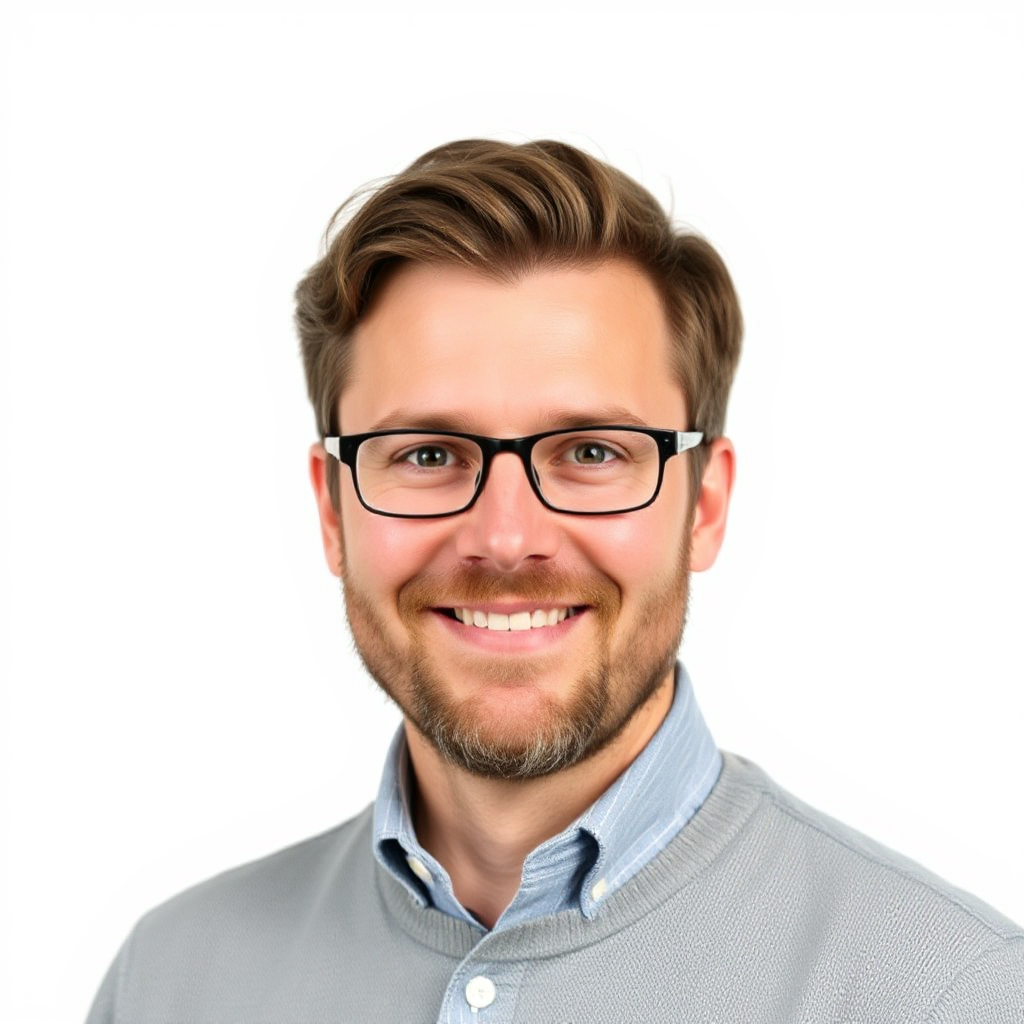
The late US second-in-command Dick Cheney, who has died at age 84, was regarded as one of the most powerful occupants of that position in US history. Whereas numerous VPs were confined to minor or figurehead functions, Cheney exercised huge influence during the administration of George W Bush, to the point that he was frequently referred to as the "real president".
Bush resented this portrayal and claimed the relationship was more nuanced. He pointed out that Cheney was courteous, invariably calling him in official appearances as President, while he called him as Dick. Bush challenged even portrayals of their partnership as a collaboration because it indicated that they were peers. Regardless of these objections, Cheney found the relaxed president malleable on a whole raft of administrative determinations.
A Period Following the Attacks
Leading of a contingent of neo-conservatives that included military head Donald Rumsfeld and Pentagon second-in-command Paul Wolfowitz, he vigorously promoted the armed incursion of Iraq in 2003 in answer to the terrorist strikes on New York and Washington. When of the 9/11 assault, Bush had been taking part in a gathering at a educational institution in Florida. As Bush traveled to a secure location in Nebraska, Cheney took charge, ordering the shooting down of any unresponsive planes approaching the Capitol building.
Cheney said the strikes altered his perspective, making him become focused on retribution. Together with other neo-conservatives, like Rumsfeld and Wolfowitz, he lobbied for a occupation of Afghanistan in an attempt to seize Osama bin Laden. Cheney then vigorously pushed for the military action of Iraq, even though there was insufficient indication of Saddam Hussein playing a role.
Disputed Actions
He voiced no apologies about the invasion, in which an approximated 100,000 Iraqis died, or about the waterboarding of suspects apprehended after 9/11. He informed CNN in 2015 that the Iraq invasion effort, which was founded on faulty reports echoed by Cheney, was the correct decision. "It proved to be the correct action to do at that time. I believed it then and I hold that view now."
But during that period, there were dissenting voices at a senior level about the botched execution of Iraq. One of the White House's own delegates to the region, General Anthony Zinni (2001-03), was dismissed from the post. "I saw, as a baseline," he subsequently stated "clear negligence, carelessness, and unaccountability: in the worst case, deception, incompetence, and dishonesty."
Wider Perspective
Cheney was not solely to blame for the Iraq campaign. Even before 9/11, Wolfowitz had advocated for similar measures. He had composed a memorandum setting out circumstances in which American interests might be threatened (featuring "availability of essential resources, primarily Persian Gulf oil"). Wolfowitz had argued that "the US should be positioned to operate alone when collective action cannot be arranged," particularly citing defense operations against Iraq.
Bush also had entered the presidency generally inclined on implementing what his parent had notably declined to do in 1991; remove Saddam. After he had been sacked by the president, the Treasury head Paul O'Neill revealed how, at the first meeting of the National Security Council in January 2001, Bush had stated his intention of lowering America's engagement in the Israeli-Palestinian conflict and proposed defense operations against Iraq.
Bush held a individual resentment against Saddam, believing he had been responsible for a conspiracy to murder his parent, President George HW Bush, on a journey to Kuwait in 1993. He also disliked that one of the largest hotels in Baghdad had a surface artwork with a likeness of his parent's visage that everyone had to walk over.
Investigation Approaches
However it was Cheney who was part of the most vociferous advocating striking Iraq, consistently quoting agency briefings that were both insubstantial or totally deceptive. He supported what the Bush White House politely called as "enhanced interrogation", the employment of interrogation method and harsh treatment.
Responding to a Senate document in 2014 that determined that no valuable data had resulted from the interrogation methods, Cheney disregarded the findings as "loaded with crap". He told Fox News: "We instructed [the CIA] to implement measures and put in place initiatives to capture the individuals who murdered 3,000 of us on 9/11 and guarantee it was not repeated. That's exactly what they did and they deserve a lot of praise."
Public Persona
Cheney took pleasure in nicknames assigned to him by critics such as the Star Wars villain and the dark figure, and by the concept that he was a shadow power controlling Bush. In the journalist's 2013 volume about the duo, Days of Fire: Bush and Cheney in the White House, Cheney is reported as stating: "Am I the malevolent mastermind in the shadows that nobody ever sees come out of his domain? This represents a nice way to function, actually."
Corporate Connections
Debate over his business interests accompanied him throughout his time as second-in-command. Although he had limited background in corporate affairs but strong connections in security, particularly in Saudi Arabia, he was invited to join Halliburton, one of the world's largest energy corporations, in 1995 as chair and chief executive.
In 2000 he became Bush's election partner for the White House. Debatably, during the military campaign, Halliburton was given US deals totaling substantial sums.
It greatly increased his wealth. His annual income during his time at the company rose from his previous salary while military head to over four million. When he departed in 2000 he had a package totaling more than $20m|twenty

